





Technical Guide: Upgrading Feature Architectures from Australia to Brazil
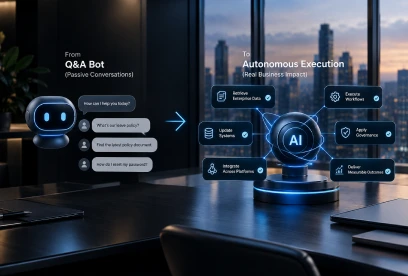
Upgrading from Australia to Brazil shifts the platform's execution model from local database transactions and assisted prompt engineering to zero-copy data federation and autonomous background execution. Understanding the direct technical differences between these two releases is essential for refactoring custom code, updating instance architecture, and avoiding upgrade regressions.
Feature Matrix Comparison
Data Architecture & Integration Layer
- Australia Baseline: Relies on traditional ETL pipelines, Integration Hub Spokes, and local database ingestion to populate records within the Configuration Management Database (CMDB) and task tables.
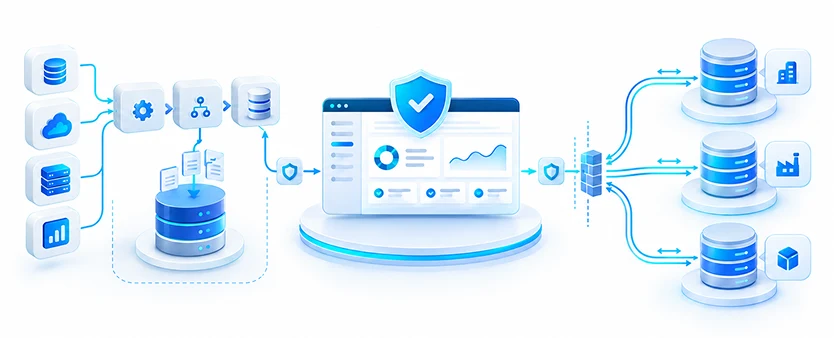
- Brazil Technical Upgrade: Introduces native Zero Copy Connectors for ERP. The database engine federates queries directly to remote systems, allowing instances to render, analyze, and execute workflows against external data without duplicating records locally.
- Technical Impact: Eliminates database bloat and reduces custom transform script maintenance, but requires updating OAuth 2.0 client scopes and network egress rules to support live bi-directional streaming.
Autonomous Agentic AI vs. Generative Prompting
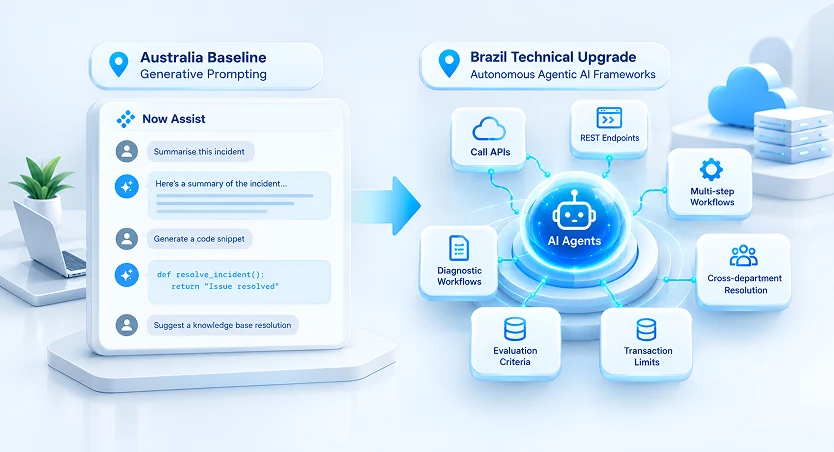
- Australia Baseline: Now Assist operates primarily via conversational interfaces, requiring user prompts to summarize incidents, generate code snippets, or suggest knowledge base resolutions.
- Brazil Technical Upgrade: Unveils autonomous Agentic AI frameworks within the ServiceNow AI Platform engine. AI Agents operate asynchronously in the background, executing multi-step diagnostic workflows, calling REST endpoints, and resolving complex cross-departmental tickets without manual intervention.
- Technical Impact: Developers must transition from building simple prompt templates to configuring strict input/output schemas, evaluation criteria, and transaction execution limits.
AI Security, Governance & Risk Controls
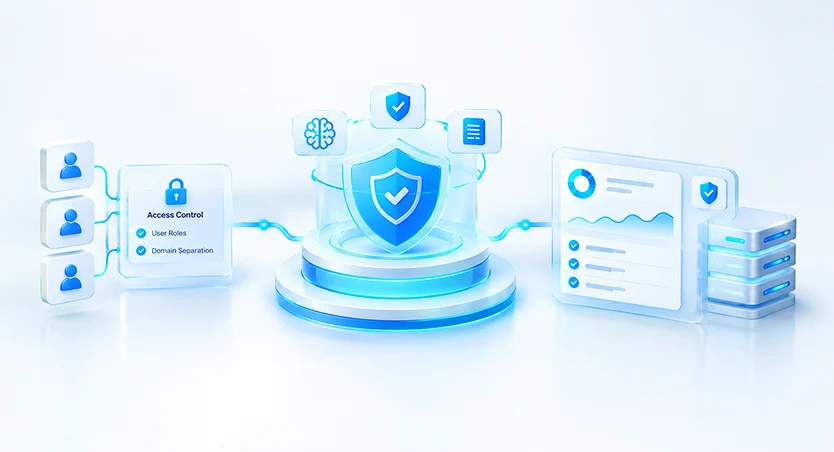
- Australia Baseline: Security relies on standard Access Control Lists (ACLs), user roles, and static domain separation to restrict access to AI features.
- Brazil Technical Upgrade: Implements dedicated AI Risk and Compliance guardrails built directly into the core platform engine. It introduces automated model monitoring, prompt injection protection, and real-time execution logging for all autonomous transactions.
- Technical Impact: Administrators gain native audit tables (sys_ai_execution_log) to inspect decision trees and verify compliance against strict data privacy protocols.
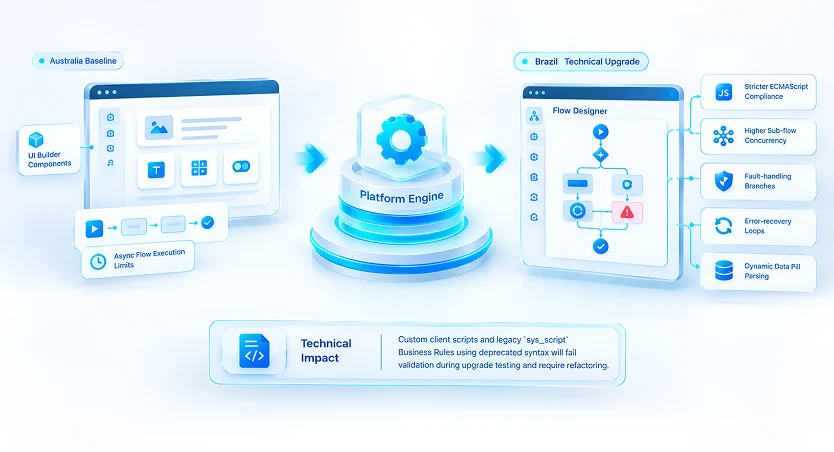
4. Platform Engine, Workspaces & Flow Designer Upgrades
- Australia Baseline: Workspaces utilize configurable UI Builder components with standard asynchronous flow execution limits in Flow Designer.
- Brazil Technical Upgrade: Upgrades the underlying JavaScript engine, enforcing stricter ECMAScript compliance and offering expanded sub-flow execution concurrency. Flow Designer gains native fault-handling branches, automated error-recovery loops, and enhanced dynamic data pill parsing.
- Technical Impact: Custom client scripts and legacy sys_script Business Rules using deprecated syntax will fail validation during upgrade testing and require refactoring.
Technical Architecture Note
Zero-copy data federation combined with autonomous agentic execution fundamentally alters platform performance dynamics. Custom scripts designed for local record processing must be updated to handle asynchronous remote payloads.
Enterprise Upgrade Services with TopTech
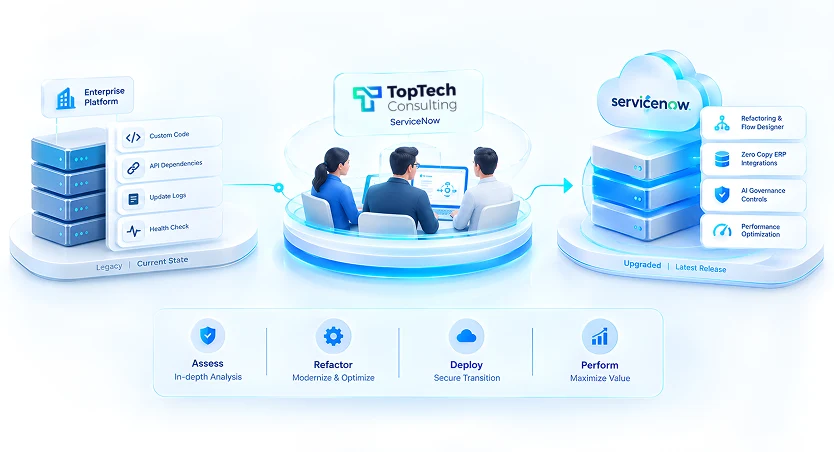
Navigating the technical shift between major platform releases requires deep architectural expertise and precise execution. The specialized engineering team at TopTech ServiceNow provides comprehensive upgrade assessments, health checks, and technical refactoring. Certified architects evaluate custom codebases, audit API dependencies, and systematically remediate skipped update logs to ensure seamless version transitions without operational disruption.
From refactoring legacy script activities into Flow Designer to configuring advanced Zero Copy ERP integrations and AI governance controls, TopTech delivers end-to-end technical support. Enterprise platform teams leverage TopTech to eliminate technical debt, optimize platform performance, and safely deploy the latest features of the Brazil release.